Man’s Life Transformed After Receiving a Long-Awaited Reconstructive Surgery Before the Holidays
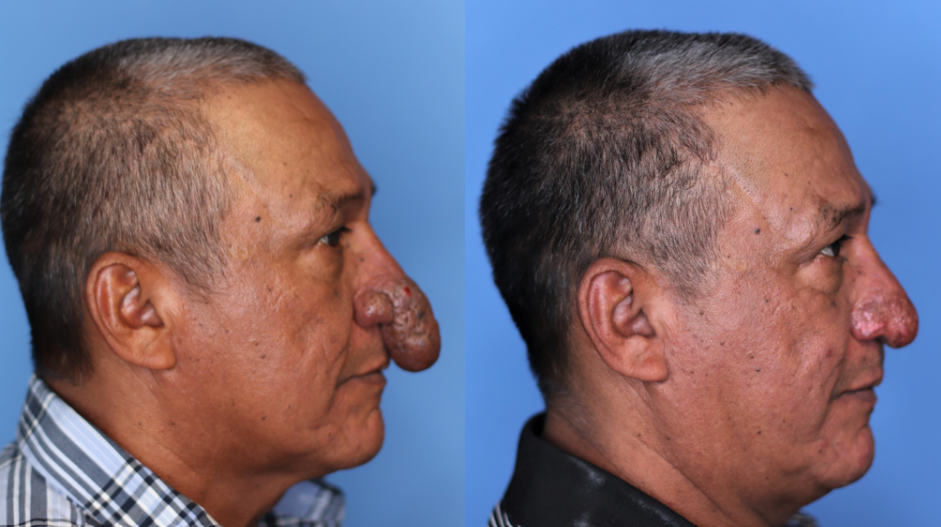
For many years, Conrado Ramos Estrada lived with a condition that affected far more than his appearance. The New York resident struggled daily with an enlarged nose caused by a rare skin disorder known as rhinophyma, a condition that gradually changed the shape of his nose and affected his confidence, comfort, and quality of life.
What began as a manageable health issue slowly became a significant challenge. As the condition progressed, Estrada found himself dealing with increasing discomfort and unwanted attention from strangers. Everyday activities that most people take for granted, such as eating comfortably, breathing freely, and interacting confidently with others, became more difficult over time.
According to reports, Estrada often chose to wear a face mask long before face coverings became common in public life. The mask provided him with a way to avoid unwanted questions and stares from people who noticed the dramatic changes to his appearance.
Children would sometimes ask their parents what had happened to him, and strangers frequently looked at him with curiosity. While he understood that many people did not intend to be unkind, the constant attention became emotionally exhausting.
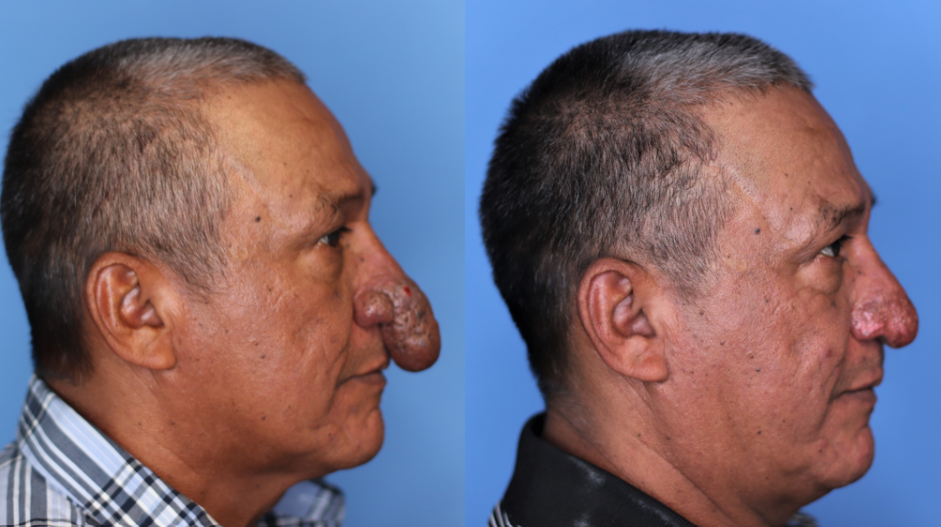
The condition also created practical challenges. As the tissue on his nose continued to enlarge, it began interfering with routine activities. Eating became uncomfortable, and breathing was sometimes more difficult than it should have been. The condition also contributed to snoring and other day-to-day inconveniences that affected his overall well-being.
Despite seeking medical help over several years, Estrada struggled to find a solution that would significantly improve his condition. Rhinophyma can be particularly difficult to manage once it becomes advanced. While treatments may help address symptoms in some cases, severe forms of the condition often require surgical intervention.
Rhinophyma is considered a rare skin disorder that affects the nose. It is commonly associated with rosacea, a chronic inflammatory skin condition. The disorder causes the skin and oil glands of the nose to gradually thicken, leading to enlargement and changes in shape.
Although doctors have studied the condition for many years, researchers continue to investigate its exact causes. What is known is that rhinophyma tends to occur more frequently in men and often develops during middle age or later adulthood.
Without treatment, the condition can continue to progress over time. In severe cases, the nose may become significantly enlarged, creating both physical and emotional challenges for affected individuals.
A turning point in Estrada’s story came through an unexpected encounter.
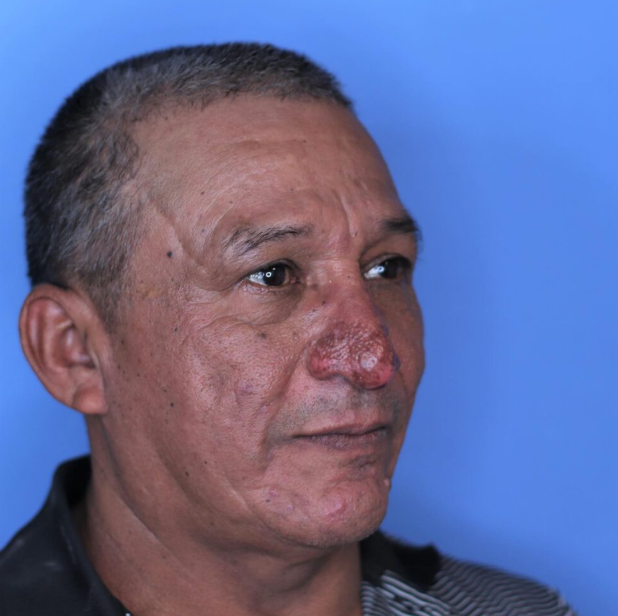
While working as part of a painting crew, he met Dr. Thomas Romo, a facial plastic and reconstructive surgeon associated with Lenox Hill Hospital. The meeting occurred while Estrada and his team were performing work at Romo’s residence.
When the surgeon noticed Estrada’s condition, he immediately recognized the severity of the case. Having spent decades treating facial conditions and reconstructive challenges, Romo understood how profoundly rhinophyma could affect a person’s life.
Medical professionals often emphasize that conditions affecting the face can have consequences that extend beyond physical symptoms. Because facial appearance plays a major role in everyday social interactions, visible medical conditions can influence confidence, relationships, employment opportunities, and emotional well-being.
Romo later reflected on the impact the condition likely had on Estrada’s daily life. Beyond the physical discomfort, he recognized the emotional burden that can accompany a visible medical disorder.
The surgeon decided to speak directly with Estrada and discuss potential treatment options.
For Estrada, the conversation represented a rare moment of hope after years of frustration. Following consultations and necessary medical evaluations, plans were made to address the condition surgically.
In severe rhinophyma cases, surgery is often considered the most effective treatment option. The goal is to remove excess tissue, restore a more natural shape to the nose, and improve both appearance and function.
Such procedures require specialized expertise because the nose contains delicate structures that are important for breathing and facial balance. Surgeons must carefully remove affected tissue while preserving healthy anatomy.
The operation was ultimately performed successfully.
Although surgery can vary from patient to patient depending on the extent of the condition, the primary objective remains the same: improving function and restoring comfort while achieving a natural-looking result.
Recovery requires patience, as swelling and healing continue over several weeks. However, many patients experience substantial improvements in both physical symptoms and self-confidence.
For Estrada, the results were significant.
In the weeks following surgery, he was able to return to work and resume many aspects of daily life with renewed confidence. Family members and friends noticed not only the physical changes but also the positive effect the procedure had on his outlook.
Medical experts frequently note that successful reconstructive procedures can influence a person’s emotional health just as much as their physical health. When a long-standing condition is finally addressed, patients often report feeling more comfortable in social situations and more confident in their everyday interactions.
The story also highlights the importance of awareness surrounding lesser-known medical conditions. Many people are unfamiliar with rhinophyma and may not recognize its symptoms during the early stages.
Healthcare professionals encourage individuals who notice persistent skin changes, especially those associated with rosacea, to seek medical advice. Early evaluation may help doctors recommend treatments that can manage symptoms and potentially slow progression.
While not every case develops into a severe form, prompt attention can often improve outcomes and help patients better understand their options.
Another notable aspect of Estrada’s experience is the role that compassion played in his journey. The chance meeting between a patient and a specialist created an opportunity that ultimately transformed his life.
Stories like this serve as reminders that healthcare is about more than medical procedures. It also involves empathy, communication, and a willingness to help others navigate difficult circumstances.
For people living with visible medical conditions, emotional support can be just as valuable as treatment itself. Understanding from family members, friends, coworkers, and healthcare providers can make a meaningful difference during challenging times.
Today, Estrada’s experience stands as an example of how modern reconstructive medicine can improve quality of life for individuals facing uncommon but impactful health conditions.
After years of discomfort, uncertainty, and self-consciousness, he was able to undergo treatment that addressed both the physical and emotional effects of his condition. The outcome allowed him to move forward with greater comfort, confidence, and optimism.
While rhinophyma remains a relatively uncommon disorder, increased awareness may help others recognize symptoms earlier and seek professional medical guidance when needed. Advances in surgical techniques continue to provide effective treatment options for patients whose conditions have progressed beyond what non-surgical therapies can manage.
Ultimately, Estrada’s story is one of perseverance, medical expertise, and renewed hope. It demonstrates how a combination of skilled care, timely intervention, and determination can create life-changing results for people facing significant health challenges.
His journey also serves as a reminder that behind every medical condition is a person whose daily experiences, relationships, and self-confidence may be deeply affected. Through treatment and support, meaningful improvements are often possible, allowing individuals to reclaim comfort and confidence in their lives.