Fare Dodge Goes Viral: Woman Gets Stuck Under New BART Gate in San Francisco
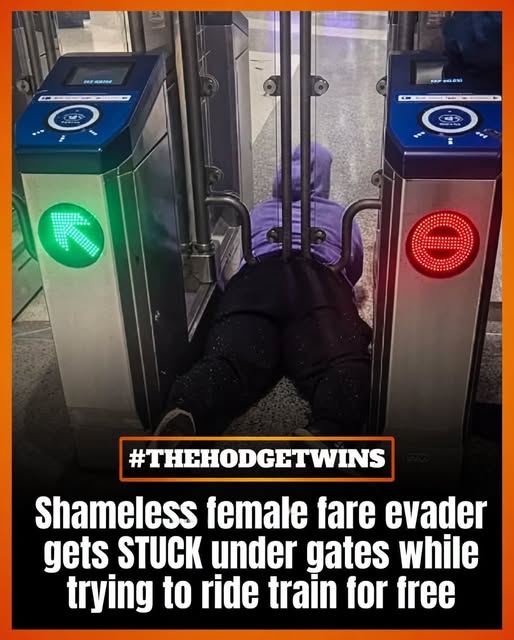
SAN FRANCISCO — A routine attempt to avoid paying a transit fare turned into an unforgettable viral moment after a woman became stuck while trying to crawl beneath one of BART’s newly installed security gates.
The incident, captured on video by BART staff, shows a woman wearing a purple hoodie lying face-down after attempting to squeeze under one of the agency’s new six-foot-tall fare gates at a San Francisco station. Instead of slipping through unnoticed, she became trapped, creating a scene that quickly spread across social media.
According to BART officials, the woman was not seriously injured. Employees reportedly noted that she could have simply asked for assistance if she needed help paying or accessing the station, rather than attempting to bypass the entrance.
The viral incident has drawn thousands of reactions online, with viewers split between finding the situation humorous and using it to highlight the importance of paying transit fares. Others pointed out that public transportation systems often have programs available to assist riders who cannot afford the full fare.
The new fare gates are part of BART’s $90 million modernization project, designed to combat widespread fare evasion that has cost the transit system millions of dollars over the years. Unlike the older gates, which many riders could easily jump over or crawl beneath, the upgraded barriers are significantly taller and more secure.
BART officials say the investment is already paying off. Since the installation of the new gates, fare evasion has dropped dramatically, while fare revenue has increased, helping support the transit system’s operations and future improvements.
Although no criminal charges or injuries have been reported in connection with the incident, the video has become one of the latest examples of how the new gates are changing rider behavior—and proving much harder to beat than the old ones.
As the clip continues making the rounds online, one thing is clear: what started as an attempt to save $2.55 ended up costing far more in public attention.