
Viral Claim Sparks Debate: Separating Fact from Fiction in Political Discourse
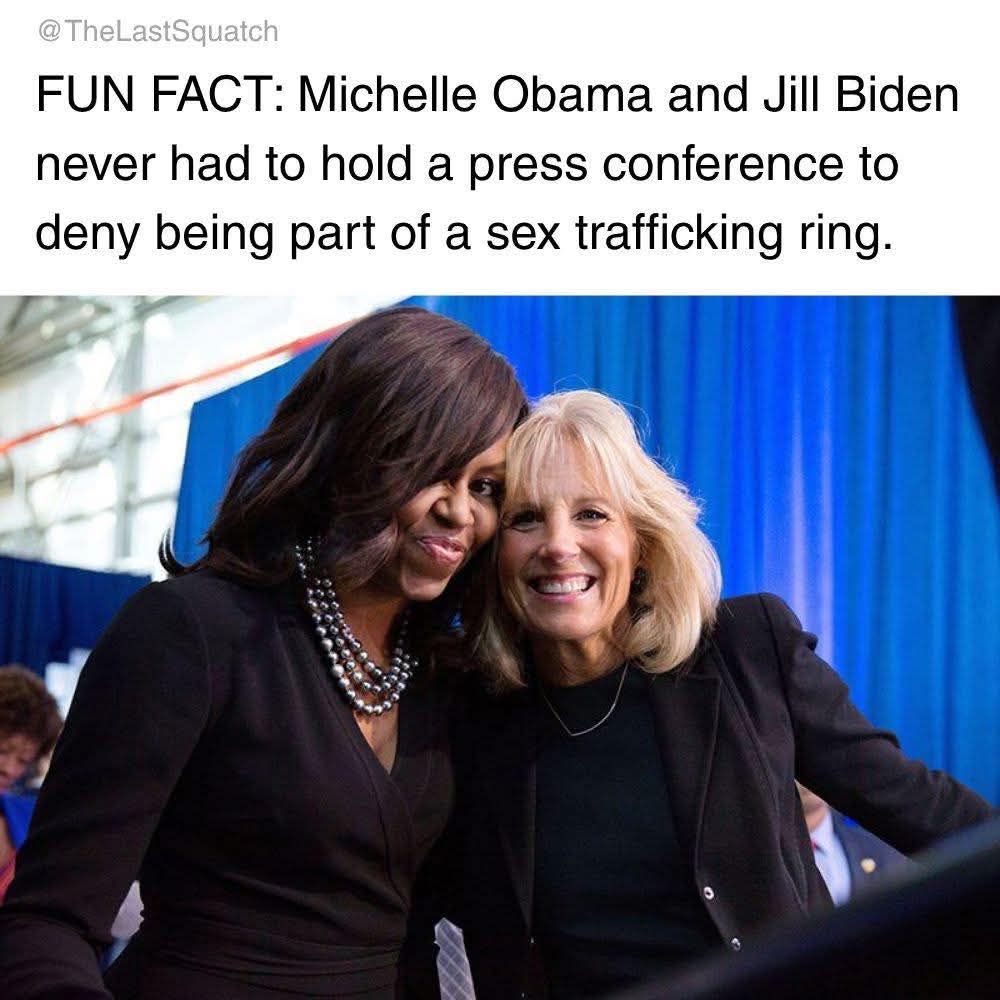
In the age of social media, viral posts can spread rapidly—often blurring the line between humor, opinion, and misinformation. A recent image circulating online features Michelle Obama and Jill Biden alongside a caption implying they were never required to deny involvement in a serious criminal activity.
While the statement may appear framed as a “fun fact,” it carries a heavy and misleading implication. There is no credible evidence or verified reporting linking either woman to any form of criminal wrongdoing, including the claim referenced in the post. Such statements fall into a broader pattern of online content that uses satire, exaggeration, or outright falsehoods to provoke reactions and drive engagement.
The Power—and Risk—of Viral Content
Social media platforms have made it easier than ever for users to create and share content. However, this accessibility also means that unverified claims can gain traction quickly, sometimes shaping public perception before facts are checked.
Public figures like Michelle Obama and Jill Biden are frequent subjects of online narratives—both positive and negative. As prominent women in American politics and advocacy, they have championed initiatives ranging from education and military family support to health and wellness. Their visibility, however, also makes them targets for misinformation campaigns.
Why Critical Thinking Matters
Experts encourage readers to approach viral posts with a critical eye:
- Check sources: Is the claim backed by reputable news outlets?
- Look for context: Is the statement meant as satire or taken out of context?
- Avoid sharing unverified information: Spreading false claims can amplify harm.
A Broader Conversation
This incident highlights a growing issue in digital culture—how easily narratives can be shaped by misleading content. It also underscores the importance of media literacy in today’s information landscape.
As audiences, the responsibility lies not just in consuming content, but in questioning it. Because in a world where anything can go viral, truth deserves just as much attention as the headline that grabs it.