

Crucial update in Diddy’s sentencing after being jailed for prostitution-related charges
An update has been provided in the sentencing of Sean ‘Diddy’ Combs after he was sentenced to more than four years behind bars last October.
The rapper was arrested in September 2024 on a number of charges including sex trafficking by force, fraud or coercion and racketeering conspiracy.
Ultimately, the judge found him guilty of two counts of transporting people across state lines for prostitution, but was acquitted of the other charges.
Judge Arun Subramanian handed Combs a 50-month term, and the disgraced music mogul has been serving that prison sentence at the Fort Dix Federal Correctional Facility in New Jersey, which is said to house roughly 4,000 prisoners.
In a new update, the Federal Bureau of Prisons public website reveals that Combs will be released from prison over a month early, as first reported by Page Six.
Combs was set to be freed on June 4, 2028, but will now be let go on April 25, 2028, the Federal Bureau of Prisons confirmed to UNILAD.
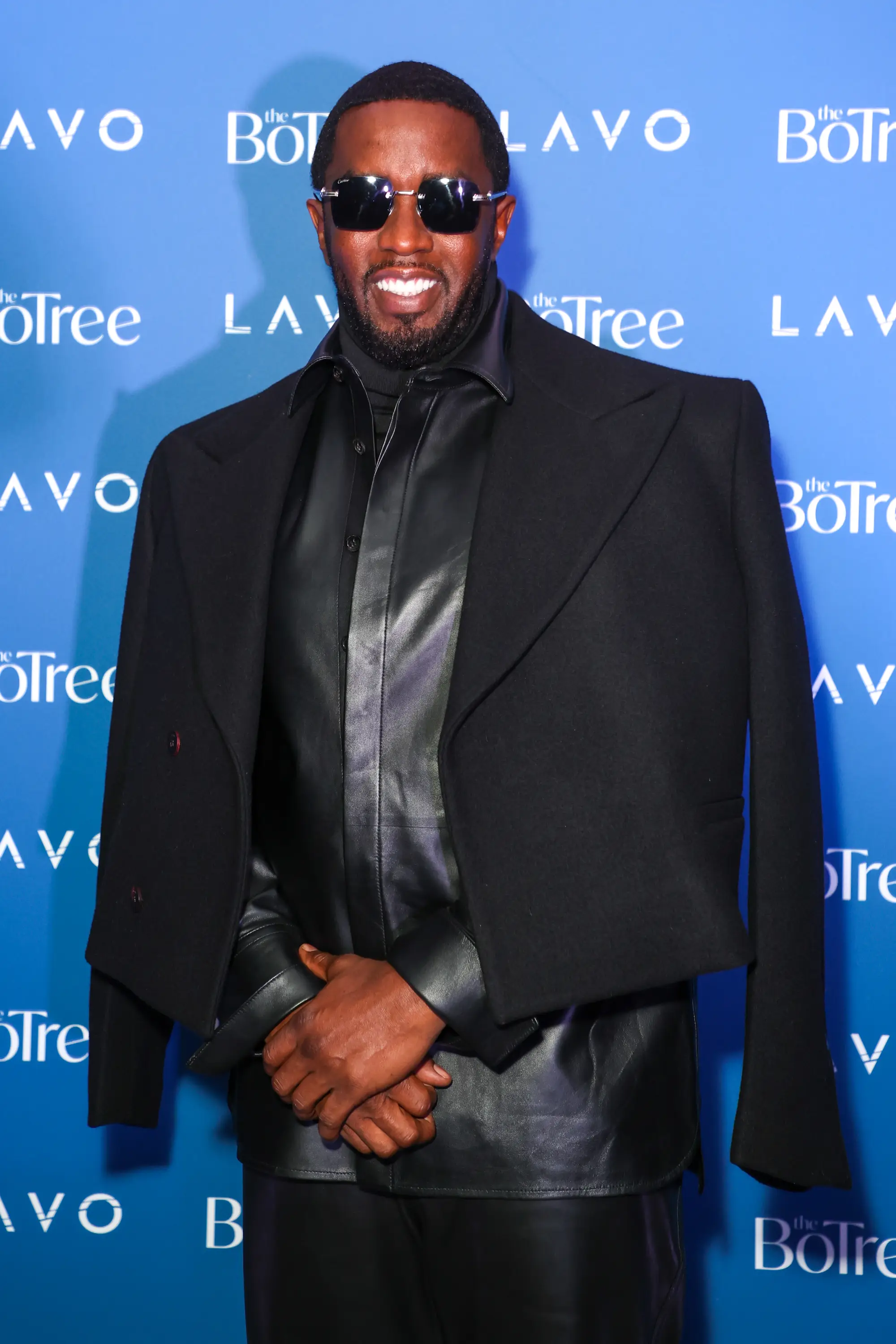
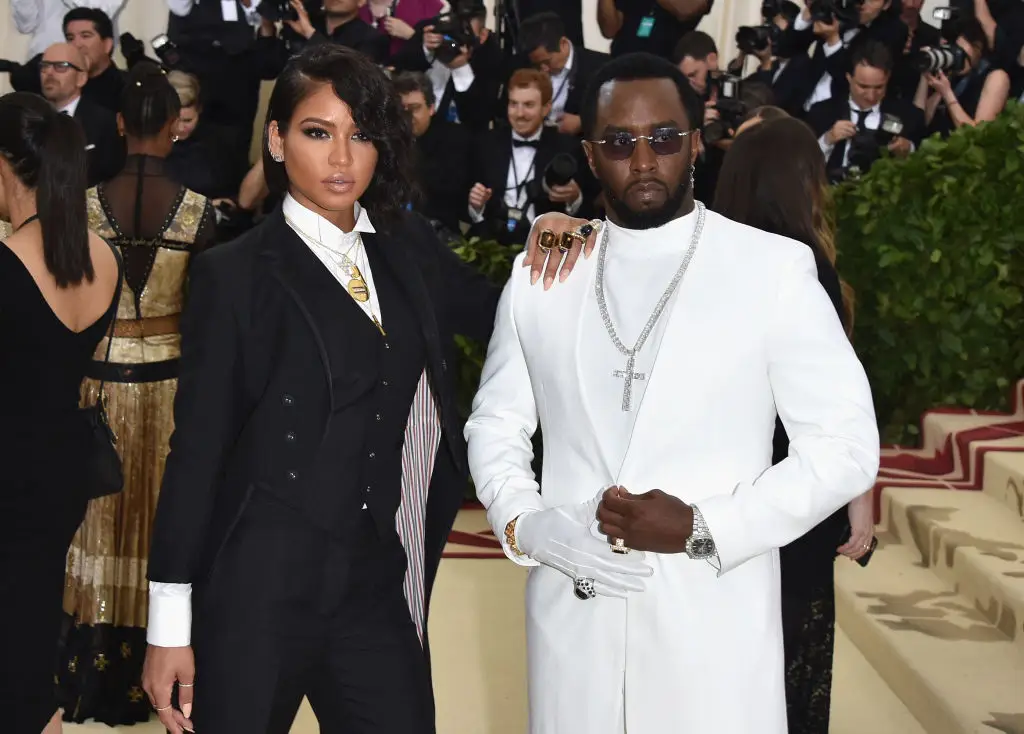
The music mogul has had his prison term shortened (Dave Benett/Getty Images for TAO Group Hospitality)
The 56-year-old was omitted into a drug-abuse rehabilitation program in November, which can often shorten the prison term for inmates.
A representative for Combs said at the time: “Mr. Combs is an active participant in the Residential Drug Abuse Program (RDAP) and has taken his rehabilitation process seriously from the start. He is fully engaged in his work, focused on growth, and committed to positive change.”
Donald Trump was previously asked if he would give Combs a pardon after the rapper wrote a personal letter to the president asking for one.
Speaking to press about Combs last year, Trump said: “I haven’t seen him, I haven’t spoken to him for years… I don’t know. I would certainly look at the facts.
“If I think somebody was mistreated it wouldn’t matter whether they like me or don’t.
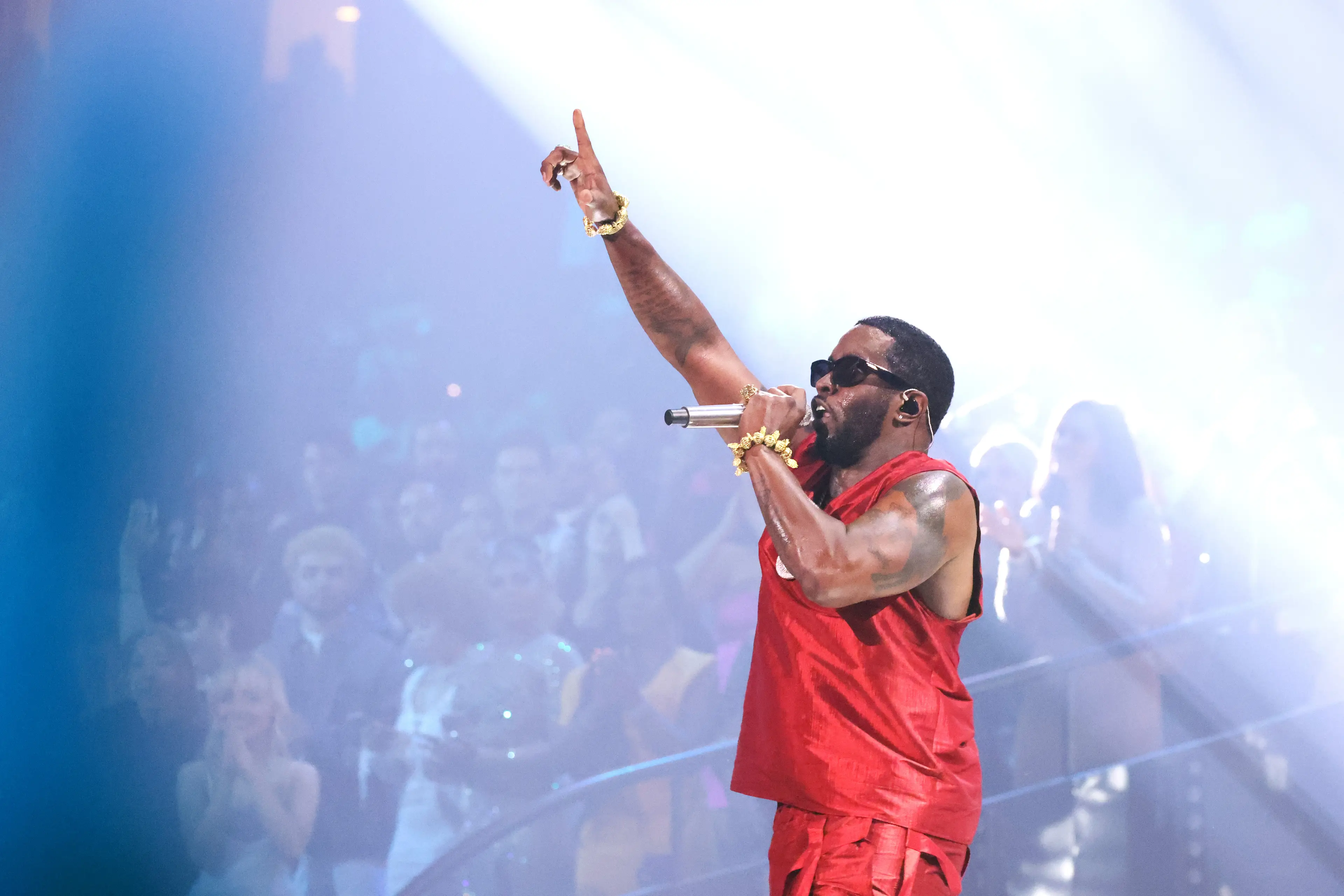
Sean ‘Diddy’ Combs was sentenced last year (Mike Coppola/Getty Images for MTV)
“I got along with him great. Seemed like a nice guy. I didn’t know him well. But when I ran for office, he was very hostile. … It’s hard.”
The president added: “We’re human beings. We don’t like to have things cloud our judgment, right? But when you knew someone and you were fine and then you run for office and he made some terrible statements.
“So, I don’t know. It’s more difficult. Makes it more, I’m being honest, makes it more difficult to do.”
Combs is said to have sent the letter less than three months into his term behind bars.
Featured Image Credit: Paras Griffin/Getty Images

Callum Jones
Diddy’s release date revealed after being found guilty of prostitution-related charges
The rapper is serving his sentence in Brooklyn’s Metropolitan Detention Center

Sean ‘Diddy’ Combs has a way to go before he’s able to walk free again.
The disgraced rapper was arrested in September 2024 in New York and went on to be found guilty of two counts of transportation to engage in prostitution, but was acquitted of racketeering and sex trafficking charges.
Following a weeks-long trial and his guilty conviction, Judge Arun Subramanian ruled that the 55-year-old will serve four years in prison and was fined $500,000.
Diddy had penned a letter to Subramanian ahead of his sentencing, branding himself a ‘changed man’.
He wrote: “The old me died in jail and a new version of me was reborn. Prison will change you or kill you – I choose to live,” adding: “I no longer care about the money or the fame. There is nothing more important to me than my family.”
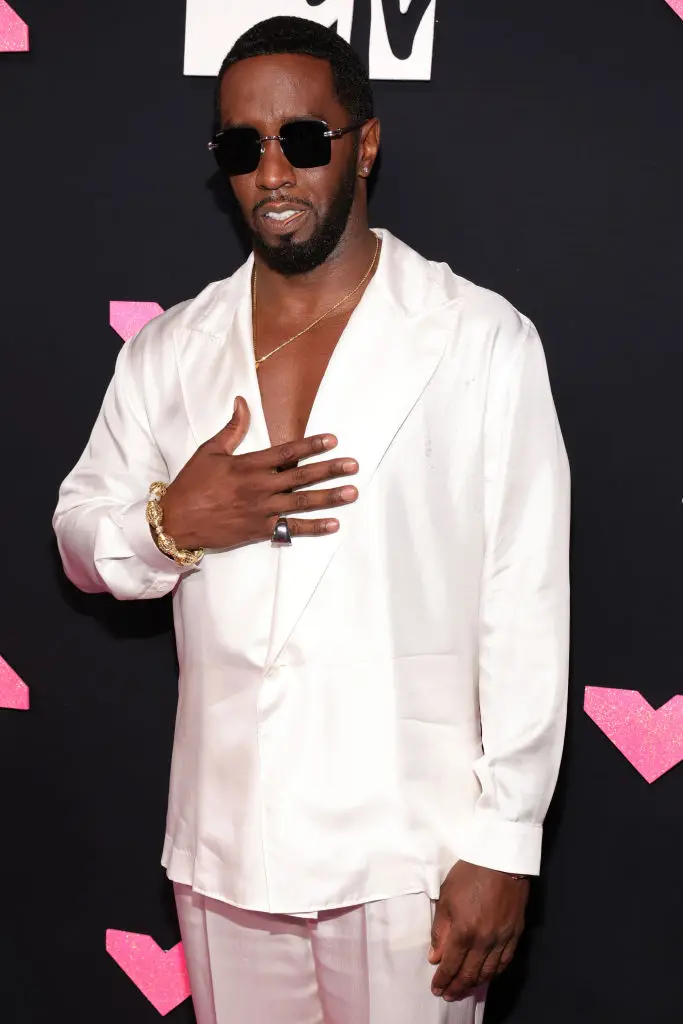
Sean ‘Diddy’ Combs is serving 50 months in prison (Kevin Mazur/Getty Images for MTV)
The music mogul will be counting down the days until his release on May 8, 2028, according to the Federal Bureau of Prisons’ online database.
The date presumes good behavior, says Mail Online, which often means inmates have some time shaved off their sentence. Should Diddy behave himself while behind bars, he can be released after serving 85 per cent of his sentence.
Following his sentence, Diddy’s said to have reached out to Donald Trump in the hopes of being pardoned.
“A lot of people have asked me for pardons. I call him Puff Daddy; he has asked me for a pardon,” the POTUS told reporters following Diddy’s sentencing.
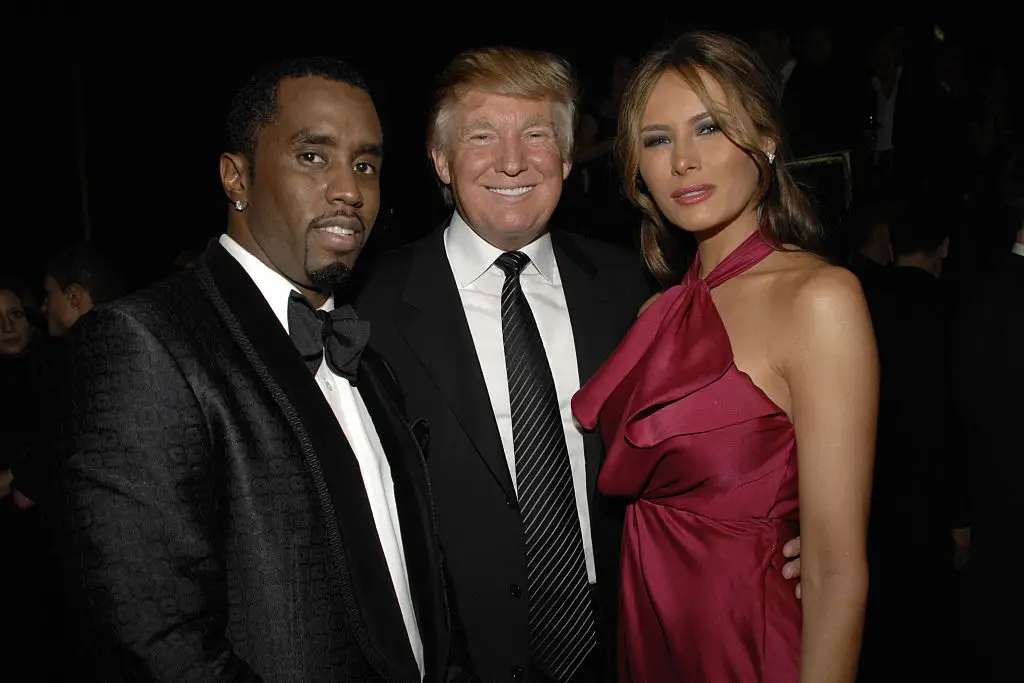
Diddy seen with Donald and Melania Trump in 2008 (JOE SCHILDHORN/Patrick McMullan via Getty Images)
He also addressed the matter during a Newsmax interview, where Trump said of the convicted rapper: “I was very friendly with him. I got along with him great, and he seemed like a nice guy. I didn’t know him well, but when I ran for office, he was very hostile.”
The POTUS was then asked if pardoning Diddy was probably a no, to which he replied (via NBC News): “I would say so, yeah.”
But TMZ later reported that the White House is considering pardoning the rapper. Trump’s administration has since denied this, though.
“There is zero truth to the TMZ report, which we would’ve gladly explained had they reached out before running their fake news,” the official told NBC News in a statement. “The President, not anonymous sources, is the final decider on pardons and commutations.”
TMZ, however, insists that the story it published is ‘accurate’.
Featured Image Credit: Shareif Ziyadat/Getty Images
Topics: Diddy, Crime, Music, Celebrity, Sex Trafficking, US News

Niamh Shackleton
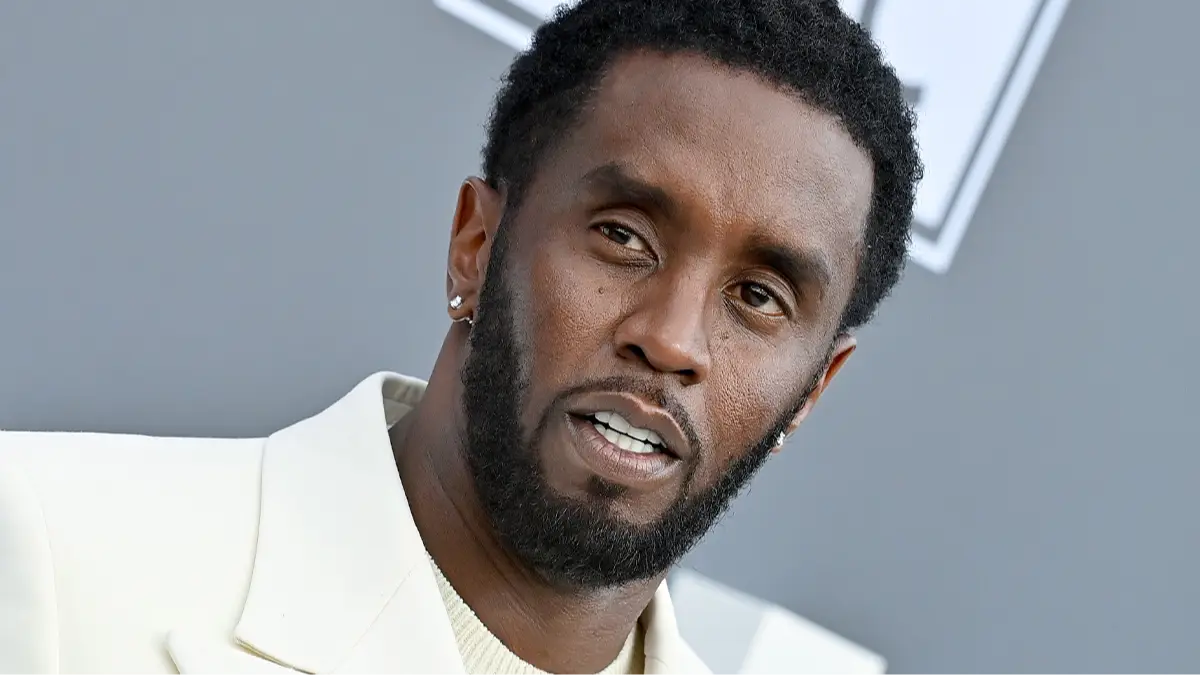
Every celebrity reaction after Diddy’s found guilty on 2 out of 5 charges in sex trafficking and prostitution case
A number of celebrities have taken to social media to voice their opinions on the verdict
Celebrity have been weighing in on Diddy’s trial following the jury coming to a verdict on the many charges he was accused of.
The New York jury were finally able to come to a verdict on Wednesday (July 2) in Sean ‘Diddy’ Combs’ trial, which has gone on for the last two months.
Combs was arrested last year in September and was met with charges of charge of racketeering conspiracy, plus two charges of both sex trafficking and transportation to engage in prostitution.
He denied all of the charges against him.
In full, the five counts were as follows:
- Count 1: Racketeering conspiracy
- Count 2: Sex trafficking by force, fraud or coercion – pertains to Victim 1 (Cassie)
- Count 3: Transportation to engage in prostitution – pertains to Victim 1 (Cassie) and commercial sex workers
- Count 4: Sex trafficking by force, fraud or coercion – pertains to Victim 2 (“Jane”)
- Count 5: Transportation to engage in prostitution – pertains to Victim 2 (“Jane”) and commercial sex workers
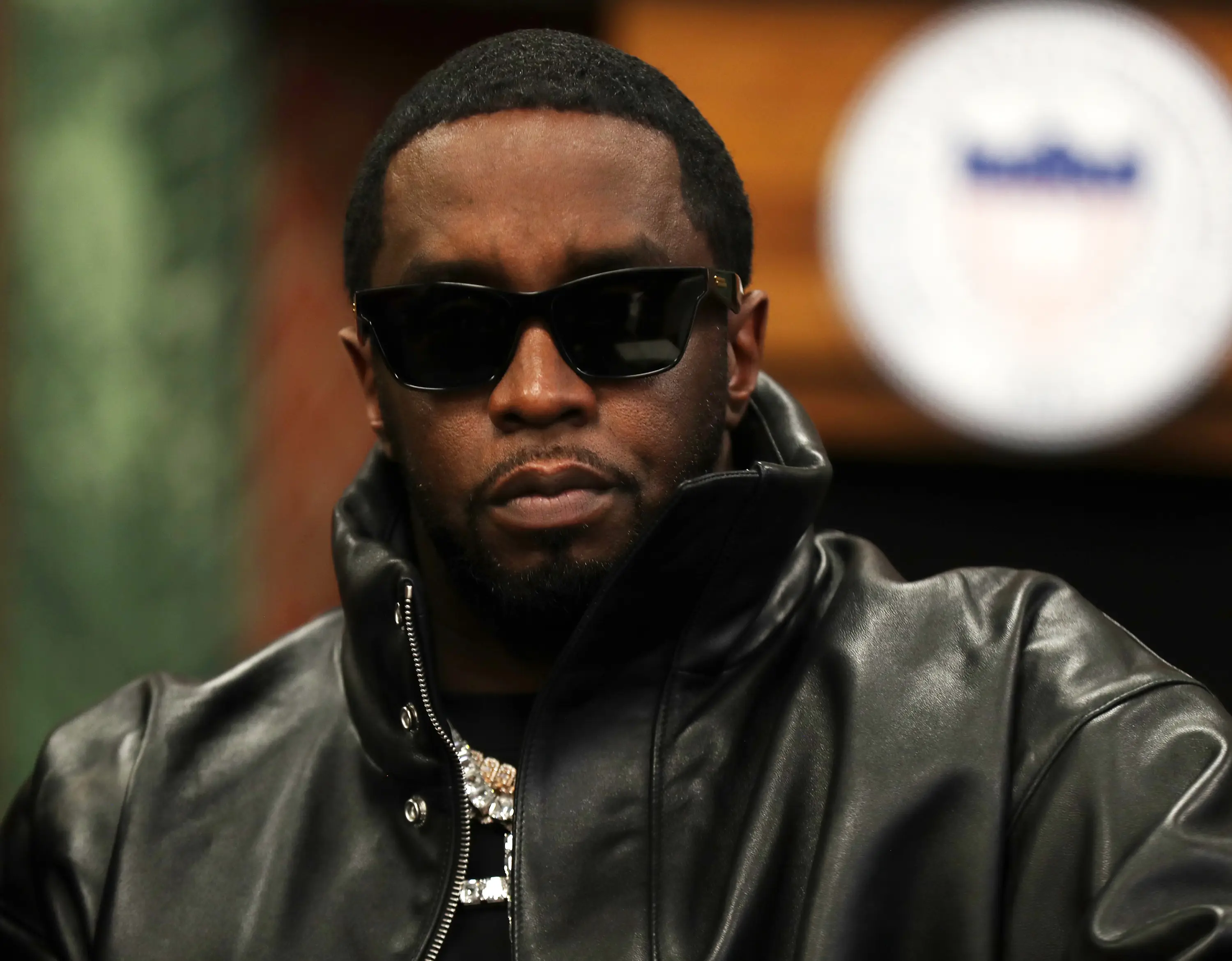
A jury gave a verdict on Diddy’s trial on Wednesday (July 2) (Shareif Ziyadat/Getty Images for Sean “Diddy” Combs)
The jury have since reached their verdict and Combs has been found guilty of two counts of transportation to engage in prostitution. However, he has been found not guilty of two counts of sex trafficking by force, fraud or coercion, and one count of racketeering conspiracy.
As this news spread around the world, celebrities began to weigh in on it.
Rosie O’Donnell
Talk show host and comedian Rosie O’Donnell was one such name to air her views on the verdict.
She wrote on Instagram: “Guess a jury just never wants to believe that a woman stays because of power and coercion – wow – they just think women stay because what? money – fame – ‘they love the abuse.’ What a f***ing joke. This decision got me angry.”
50 Cent
Rapper 50 Cent had an odd response to the news, sharing an AI picture of himself and seemingly joking about the outcome, despite him and Combs seemingly having a longstanding feud.
He wrote: “Diddy beat the Feds that boy a bad man! beat the Rico, he the Gay John Gotti.”
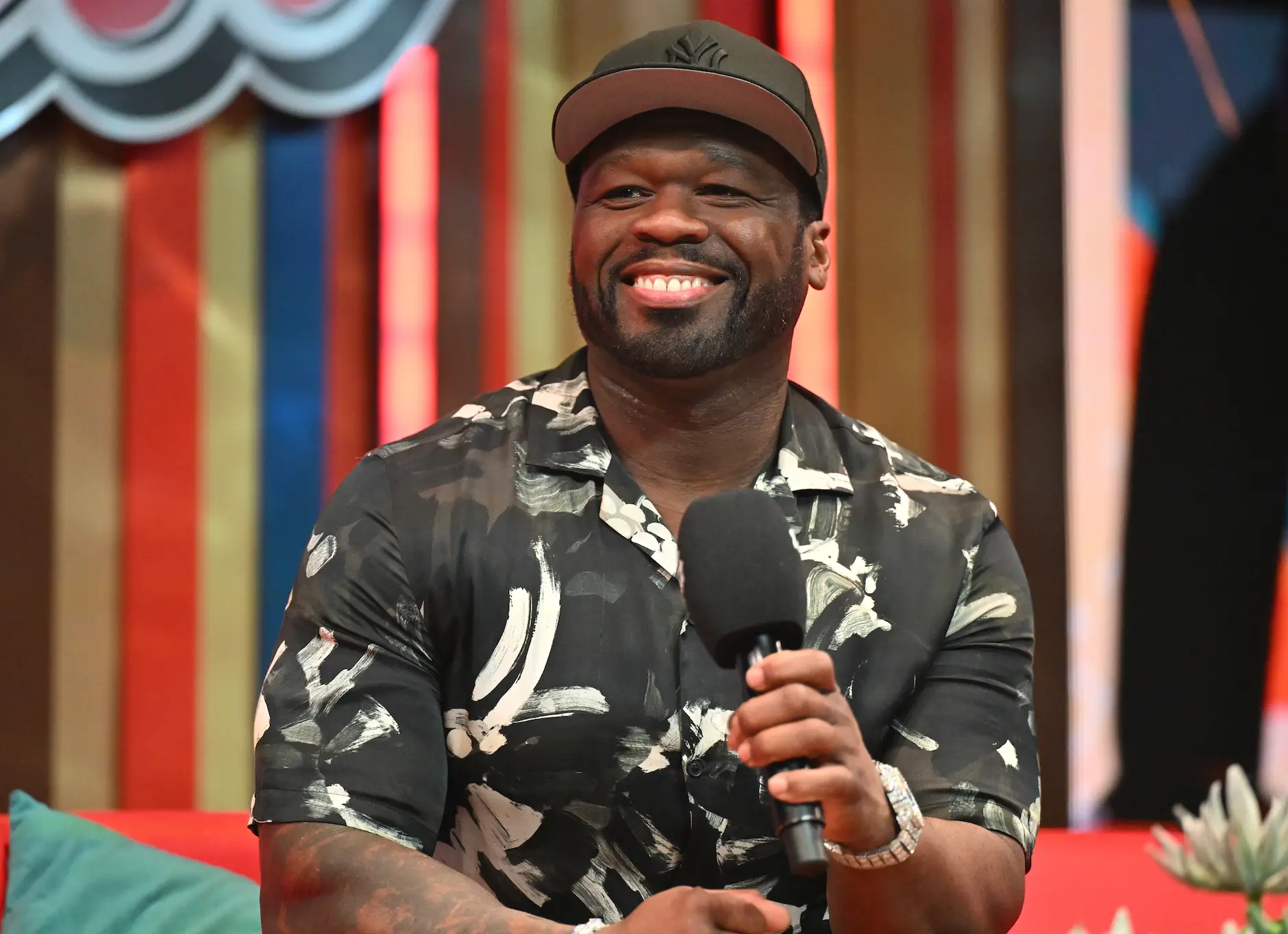
50 Cent took to social media to respond to the verdict (Paras Griffin/Getty Images)
Aubrey O’Day
Aubrey O’Day, who was signed to Combs’ Bad Boy Record label as part of a female group Danity Kane, and was discovered on his reality TV show, Making the Band, had stern words about the verdict.
Writing in an Instagram Story, she said: “I’m still unpacking the magnitude of it all. The cultural weight of this decision is immeasurable. It is heartbreaking to witness how many lives have been impacted by their experiences with Sean Combs — only for those stories to fall short in the eyes of a jury. I can only hope these jurors never have to watch someone they love endure what so many survivors have described
“My heart is with Cassie. A woman who could’ve had a life and career free of fear and control. A woman who told her truth in a courtroom, only to have the world dissect her credibility instead of her courage.”
Cassie Ventura
Casandra ‘Cassie’ Ventura, who was a former long-term partner of Combs and testified significantly during his trial, also had a statement issued via her legal team following the verdict.
Her lawyer, Douglas H Wigdor, told Sky News: “This entire criminal process started when our client Cassie Ventura had the courage to file her civil complaint in November 2023.
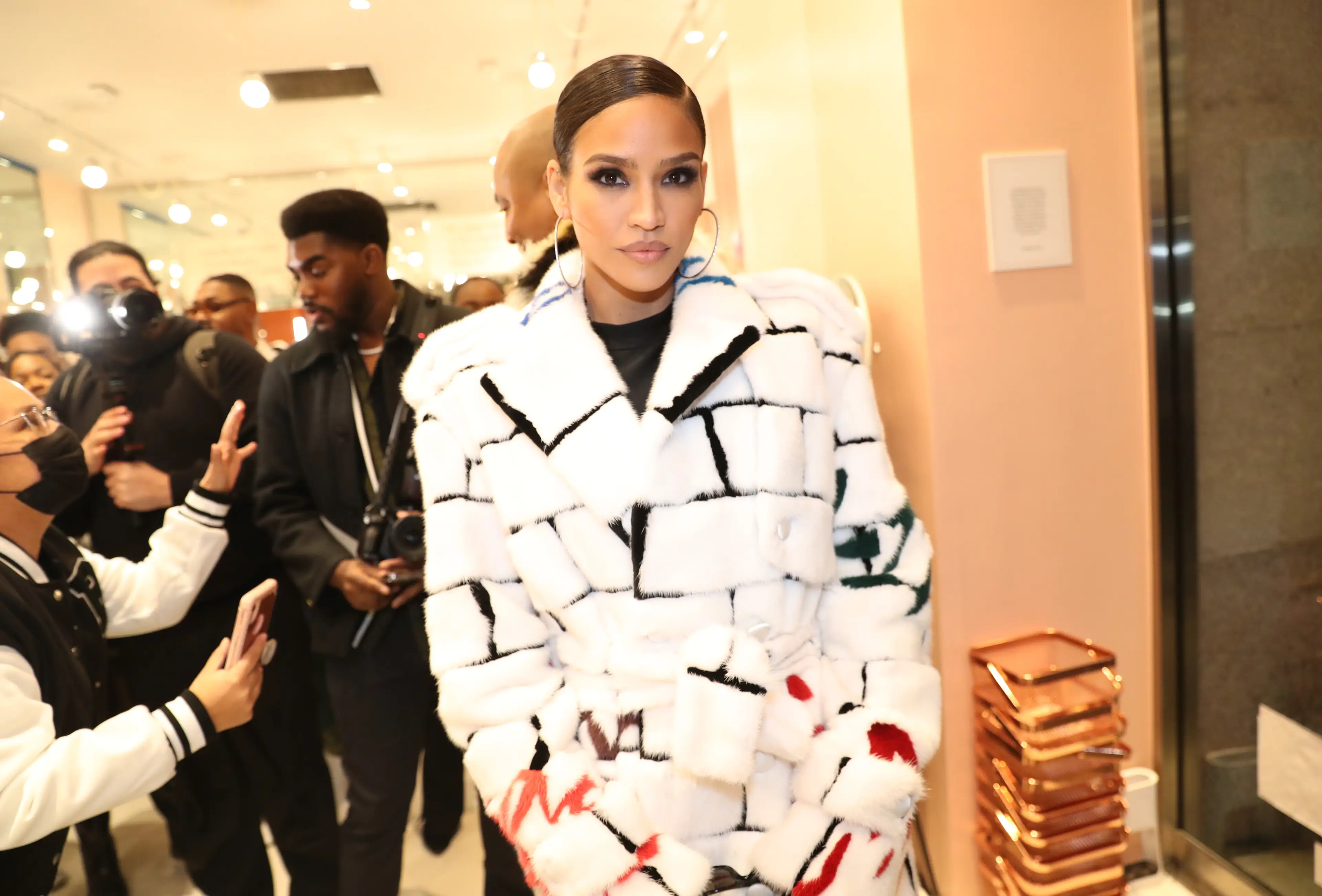
Cassie’s team of lawyers also released a statement following the jury’s verdict (Johnny Nunez/WireImage)
“Although the jury did not find Combs guilty of sex trafficking Cassie beyond a reasonable doubt, she paved the way for a jury to find him guilty of transportation to engage in prostitution.
“By coming forward with her experience, Cassie has left an indelible mark on both the entertainment industry and the fight for justice. We must repeat – with no reservation – that we believe and support our client, who showed exemplary courage throughout this trial.”
Kesha
Singer Kesha shared a message on social media, saying: “Cassie, I believe you. I love you. Your strength is a beacon for every survivor.”
Yung Miami
In a bizarre twist, rapper Yung Miami has been facing backlash for how she responded to the verdict. The rapper has been a vocal supporter of Combs throughout the trial.
On her Instagram Story, Miami uploaded a monochrome video of Justin Bieber post-verdict. The image showed Bieber grinning while gesturing with his index finger and thumb, an action of approval that’s become popular among Gen Z.
Featured Image Credit: Axelle/Bauer-Griffin/FilmMagic via Getty Images

Gerrard Kaonga
Reason why Diddy’s sex assault lawsuit has been dismissed as lawyers speak out
A judge ordered for the civil case involving Sean ‘Diddy’ Combs to be closed yesterday (March 31)
A judge has dismissed one of the civil suits Sean ‘Diddy’ Combs was facing.
The disgraced rapper is facing both criminal and civil lawsuits, and he’s currently behind held without bail at Metropolitan Detention Center in Brooklyn, New York.
Criminal case wise, Diddy was charged with racketeering conspiracy, sex trafficking, and transportation to engage in prostitution last year.
Elsewhere, dozens of people have come forward with civil suits accusing the rapper sexual assault – some of which date back to the 1990s.
Diddy has denied all the allegations against him.
While it’s been blow after blow for the music star in the last few months, Diddy’s now had a small victory after a judge ordered for one of the civil suits he was facing to be dismissed.
Why has Diddy’s civil suit been dismissed?
Yesterday (March 31), US District Court Judge Lewis J. Liman issued an order closing the case in question.
The suit was filed anonymously by someone who only identified herself as ‘Jane Doe’.
The suit was filed in October 2014 by Doe, which alleged that she’d been raped by Diddy in 1995 in New York for a Biggie Smalls music video.
But Liman ordered on March 6 that the woman re-file the complaint and use her real name because she could not proceed anonymously.
Sean ‘Diddy’ Combs is currently being held without bail (Ricky Vigil M / Justin E Palmer/GC Images)
The unnamed woman failed to do this, thus the case has been closed.
“As of today, March 31, 2025, (Doe) has not filed a complaint in her own name, nor has she sought an extension of time to do so,” Liman wrote in his ruling.
What has Jane Doe’s legal team said?
Tony Buzbee, the lawyer who was presenting the woman in question, says he doesn’t blame her for not wanting to give her name.
In a statement to USA Today, Buzbee said: “In this particular case, Jane Doe opted not to proceed. There is a lot of fear amongst these plaintiffs. I thus can’t blame her.”
Diddy’s accuser did not want to name herself in the suit against him (MEGA/GC Images)
READ MORE:
LAWYER CLAIMS LIST OF DIDDY’S ACCOMPLICES WILL BE REVEALED
He continued: “These are tough cases and they are many times re-traumatizing for those who pursue them. Each case stands on its own merit.
“This woman chose not to proceed and subject herself to the media circus and the perceived danger she felt. We have to respect that.”
As of October 2024, Buzbee was representing as many as 120 Diddy accusers.
At the time, the lawyer promised to ‘expose the enablers who enabled this conduct behind closed doors’.
If you’ve been affected by any of the issues in this article, you can contact The National Sexual Assault Hotline on 800.656.HOPE (4673), available 24/7. Or you can chat online via online.rainn.org
Featured Image Credit: Scott Dudelson/Getty Images
Niamh Shackleton
Cassie hits back at ex Diddy’s claim that assault video from 2016 was edited
Cassie Ventura was in an on-and-off relationship with Sean ‘Diddy’ Combs from 2007 to 2018
Warning: This article contains discussion of domestic violence which some readers may find distressing.
Cassie Ventura has hit back at Sean ‘Diddy’ Combs’ allegation that the video footage of him assaulting her was edited.
Combs is currently awaiting trial and being held at Metropolitan Detention Center in Brooklyn after he was arrested in September 2024. He faces charges of racketeering conspiracy, sex trafficking and prostitution – allegations he has denied.
In November 2023, Cassie filed a lawsuit against her ex alleging that he subjected her to a decade-long ‘cycle of abuse, violence and sex trafficking’.
Ventura filed a lawsuit in Federal District Court in Manhattan alleging Combs ‘frequently beat’ her during their on-off relationship from 2007 to 2018.
Just one day later, Combs and Ventura announced they’d reached a settlement, however, footage was later shared online of an incident in 2016, which showed the rapper and producer chasing her through a corridor, wearing only a towel, before appearing to physically assault her.
In a statement, Ventura said: “After years in silence and darkness, I am finally ready to tell my story, and to speak up on behalf of myself and for the benefit of other women who face violence and abuse in their relationships.
“With the expiration of New York’s Adult Survivors Act fast approaching, it became clear that this was an opportunity to speak up about the trauma I have experienced and that I will be recovering from for the rest of my life.”
The video is dated as being from March 5, 2016 and shows Ventura and Combs at the InterContinental Hotel in Century City, Los Angeles.
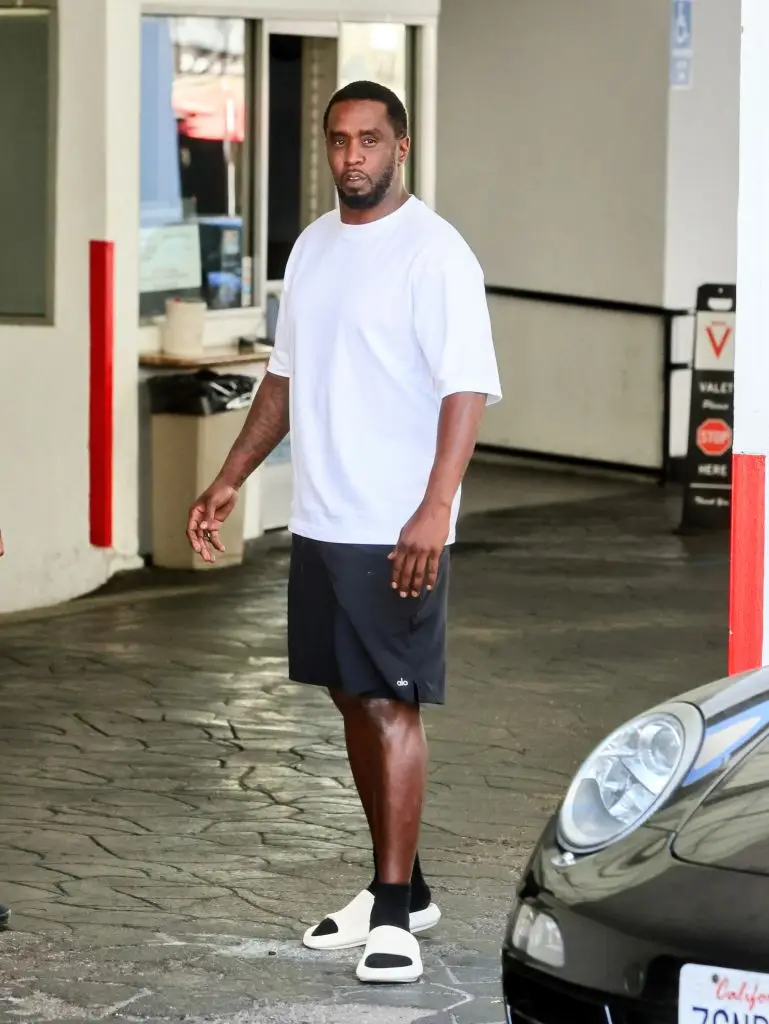
Sean ‘Diddy’ Combs’ legal team alleges the video was edited (MEGA/GC Images via Getty)
Ventura’s attorney, Douglas H. Wigdor, told CNN: “The gut-wrenching video has only further confirmed the disturbing and predatory behavior of Mr. Combs. Words cannot express the courage and fortitude that Ms. Ventura has shown in coming forward to bring this to light.”
Cassie’s legal team has recently hit out against Combs’ claim that the hotel surveillance video is edited.
Wigdor said the footage is authentic and hopes that it will be admitted as evidence in Combs’ trial.
In a statement to DailyMail.com, the attorney said: “It’s not surprising Diddy would make a disingenuous argument to exclude the disturbing video from being shown to the jury in the upcoming trial.”
He added: “I am confident that the video fairly and accurately represents what happened, will be admitted into evidence, and that Combs will be held accountable for his depravity.”
This comes in response to Combs’ team alleging that CNN altered and even destroyed the original video, stating that it should be omitted from evidence in court.
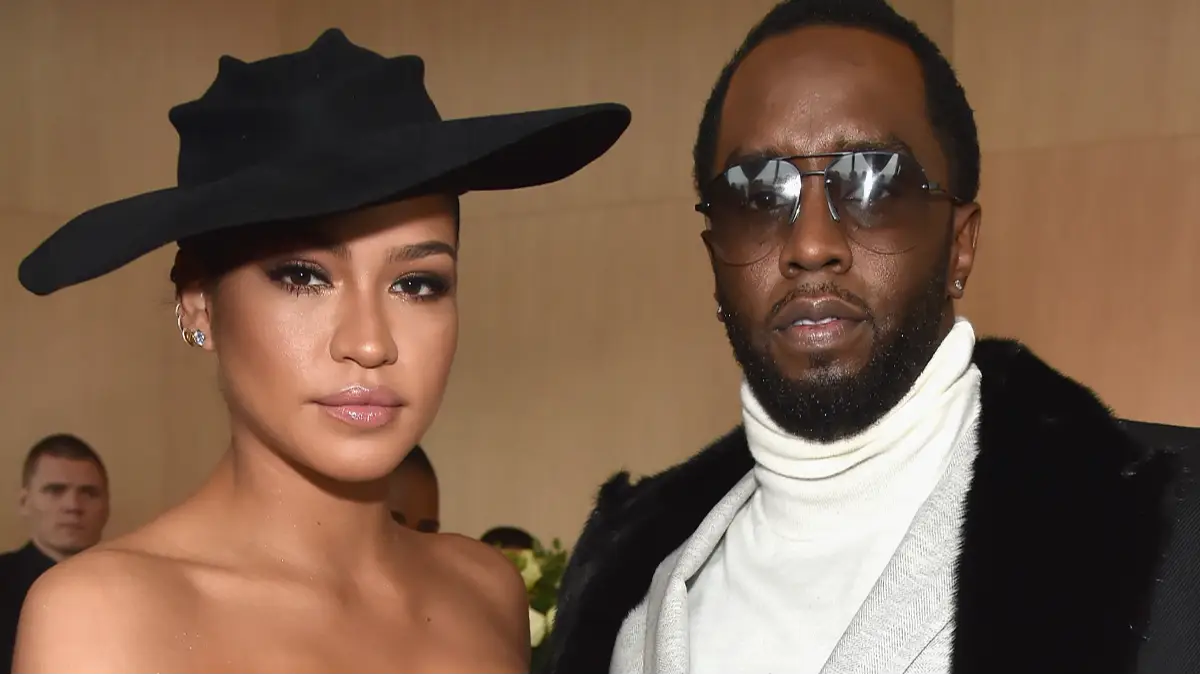
The footage appears to show Combs assaulting Cassie in a hotel (John Shearer/Getty Images for The Hollywood Reporter)
Combs’ team told the Daily Mail: “Our written and oral communications with CNN’s counsel was clear – they destroyed the original video file they received from their source.”
CNN hit back, telling TMZ: “CNN never altered the video and did not destroy the original copy of the footage, which was retained by the source. CNN aired the story about the video several months before Combs was arrested.”
After the footage was released, Combs took to Instagram to apologize to Cassie, stating: “My behavior on that video is inexcusable. I take full responsibility for my actions in that video.
“I was disgusted then when I did it. I’m disgusted now,” he added. “I went and I sought out professional help. I got into going to therapy, going to rehab. I had to ask God for his mercy and grace. I’m so sorry. But I’m committed to be a better man each and every day. I’m not asking for forgiveness. I’m truly sorry.”