

MIDNIGHT SHOCKWAVE: Nicki Minaj makes surprising confession about her brain and fans didn’t see it coming
Nicki Minaj recently sparked widespread conversation online after making an unexpected and intriguing personal revelation to her fans on social media. The rapper, known for hits like Starships, shared that she identifies as neurodivergent and suggested she hopes to create a supportive space for fans who feel the same way.
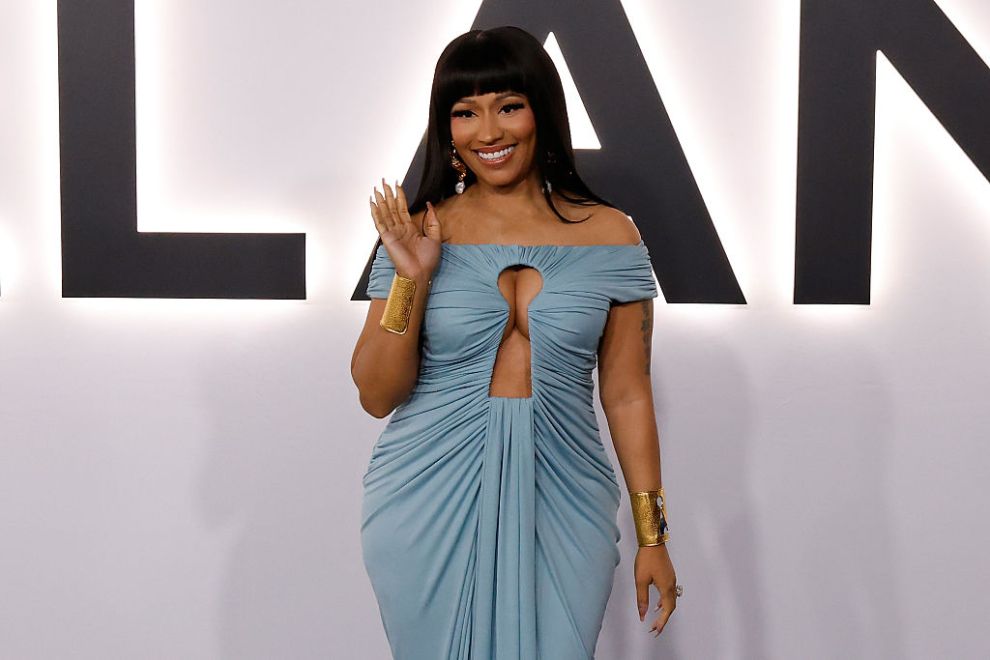
The announcement came in a post on X, where Minaj often interacts directly with her devoted fanbase, the Barbz. Her comment appeared in response to a message from Palantir Technologies CEO Alex Karp, whose remarks about the future belonging to people who think differently had been circulating online. The statement was shared through the official account of Polymarket, prompting a variety of reactions from social media users.
Minaj responded with a dramatic and characteristically theatrical message, leaning into the fictional world she has often referenced in her fan culture. In her post, the rapper suggested that neurodivergent fans should gather in “Gag City,” the playful online universe she has previously described as a place where her supporters come together.
“Takes my rightful place in society with the rest of my tribe,” she wrote. “Neurodivergents of Gag City gather here. It’s our time.” She added a jokingly ominous tone toward what she referred to as “the normals,” playfully suggesting a form of long-awaited “payback.” The message continued with a reference that resembled a biblical line: “and the stone the builder rejected…” — a phrase often used to describe someone once overlooked eventually becoming central or powerful.
Her comments quickly caught the attention of fans and observers online, sparking discussions about neurodiversity and how public figures talking about their own experiences can influence conversations around mental health and neurological differences.
According to information from the National Library of Medicine, the concept of neurodiversity refers to the idea that people experience and process the world in many different ways. Rather than viewing neurological differences as deficits, the neurodiversity perspective recognizes variations in thinking, learning, and behavior as natural parts of human diversity. Conditions often associated with neurodivergence can include autism spectrum differences, ADHD, dyslexia, and other cognitive variations.
In recent years, the concept has gained increasing attention, particularly within discussions about education, workplaces, and online communities. Advocates argue that recognizing different neurological styles can help create environments where individuals feel supported and valued for their unique perspectives.
For Minaj, the idea of “Gag City” has become a symbolic hub for her fans. The term originally emerged during the promotional era of her album Pink Friday 2, evolving into a playful digital city that represents her global fan community. By inviting neurodivergent Barbz into that space, the rapper appeared to be reinforcing a message of belonging and solidarity.
While Minaj’s comments generated curiosity and support from many fans, the rapper also found herself in the middle of another conversation circulating among her supporters.
At the same time, Minaj’s younger sister, Ming Li, was responding to criticism from some members of the Barbz after attending a concert by Cardi B in Houston.
The appearance drew attention because of the long-standing rivalry between Minaj and Cardi B, which has fueled countless debates among their respective fanbases over the years. Some fans interpreted Ming Li’s attendance as taking sides in that ongoing feud.
However, Ming Li quickly addressed the backlash on Instagram, making it clear she had no intention of getting caught up in fan-driven drama. Posting on her Instagram Story, she said she had enjoyed the show and did not see anything wrong with supporting another artist.
“Yeah, I went to the concert and I had a great time,” she wrote bluntly, dismissing the criticism. She added that people upset about her decision were free to feel however they wanted but insisted she did not feel obligated to choose between artists.
According to Ming Li, appreciating both musicians should not be considered controversial. She argued that fans often try to force celebrities and their families into unnecessary rivalries that don’t reflect reality.
“Who said you can’t love both?” she wrote in another message, emphasizing that she sees no reason to pick sides simply because fans expect it.
She also suggested that much of the drama surrounding the situation was being created by online communities rather than the artists themselves. In a separate post, Ming Li criticized the idea that she should be drawn into a feud simply because of her family connection.
“Pick a side? No side,” she wrote, arguing that the situation was being exaggerated by people looking for conflict online. She went on to point out that social media arguments often fade quickly and rarely matter in the long run.
Her response highlighted a recurring dynamic in modern pop culture, where fan communities can become deeply invested in perceived rivalries between artists. While those rivalries sometimes generate headlines and viral moments, family members and people close to the stars involved often try to distance themselves from the drama.
For Minaj and her fans, the week ultimately became a mix of serious conversation and typical online chaos: a moment of personal reflection about neurodiversity paired with another example of how passionate — and sometimes volatile — fan cultures can be.
Whether discussing identity, music, or fan loyalty, the situation demonstrated once again how quickly conversations can spread across social media, especially when they involve one of hip-hop’s most influential and outspoken stars.