
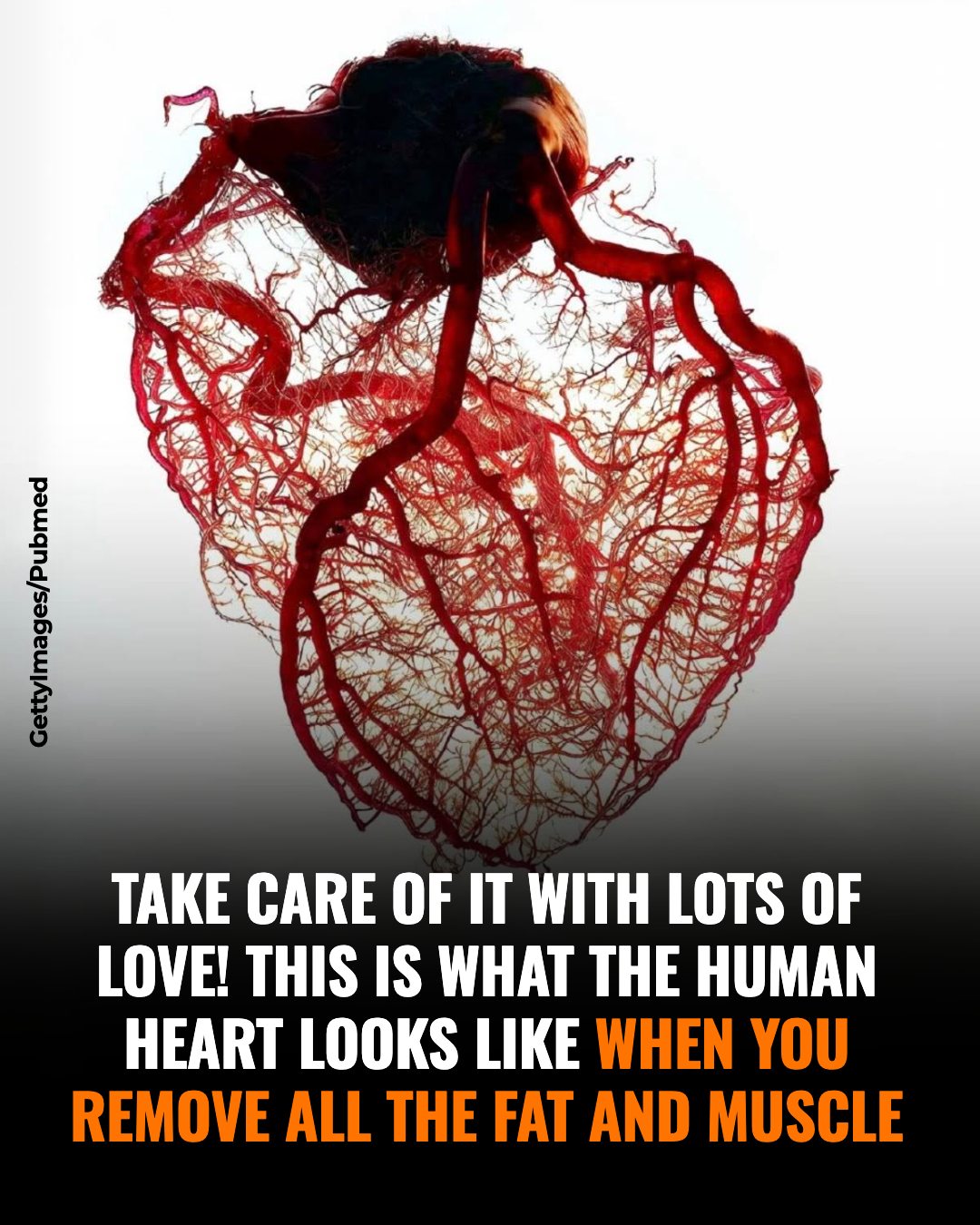
THE HEART: THE ORGAN THAT CHOSE SURVIVAL OVER PERFECTION ❤️
Deep inside your chest beats one of the most fascinating organs in the human body—the heart. Strong, tireless, and deeply symbolic, it’s more than just a pump. It’s a survivor, a communicator, and in many ways… a mystery.
🧬 Why the Heart Rarely Gets Cancer
Unlike most organs, the heart is surprisingly resistant to cancer. Why? Because its cells—called cardiomyocytes—barely divide after early development.
Cell division is where mutations often happen, and mutations can lead to cancer. By choosing stability over constant regeneration, the heart avoids many of these risks. It’s almost like the organ made a biological trade-off: less repair, but more protection.
But this doesn’t make it invincible.
⚠️ The Real Threat: Lifestyle, Not Cancer
The heart’s biggest enemy isn’t cancer—it’s long-term damage from poor habits.
Fatty deposits can build up in arteries, leading to conditions like Atherosclerosis. Over time, this restricts blood flow, increases pressure, and raises the risk of heart attacks.
A healthy heart functions like a perfectly tuned electric motor—efficient, rhythmic, and powerful. But years of unhealthy eating, stress, and inactivity can turn that precision machine into something strained and vulnerable.
🧠 Your “Second Brain” in the Chest
Here’s where it gets even more incredible: your heart contains about 40,000 neurons, forming what scientists call the intrinsic cardiac nervous system.
This system allows the heart to:
- Process signals independently
- Communicate with the brain
- Influence emotional responses
While it’s not a “brain” in the traditional sense, it plays a powerful supporting role in how you feel and react.
💔 When Emotions Become Physical
Ever heard of heartbreak actually hurting? There’s science behind it.
A condition known as Takotsubo syndrome—often called “broken heart syndrome”—can temporarily weaken and reshape the heart due to extreme emotional stress.
Symptoms can mimic a heart attack, proving that emotions aren’t just in your head—they can physically impact your heart.
⏱️ Why Mondays Matter
Studies have shown that heart attacks are more common on Mondays. The reasons? A mix of:
- Stress from returning to work
- Changes in sleep patterns
- Sudden shifts in routine
It’s a reminder that your heart doesn’t just respond to what you eat—but also to how you live.
❤️ Take Care of Your Heart
Your heart beats over 100,000 times a day without asking for a break. But it does need support:
- Eat a balanced, low-fat diet
- Stay physically active
- Manage stress
- Get enough sleep
- Avoid smoking and excessive alcohol
🔍 The Final Beat
The heart is an organ that chose caution over risk, stability over constant renewal. It rarely develops cancer, yet it remains deeply vulnerable to how we treat our bodies and minds.
It listens. It responds. It adapts.
And every beat is a reminder—you only get one.
So take care of it… not just on Mondays, but every single day. ❤️