

“Dave Chappelle was scared of him.” – Why Dave Chappelle Never Crossed Charlie Murphy | Most Feared Comedian | HO’
“Dave Chappelle was scared of him.” – Why Dave Chappelle Never Crossed Charlie Murphy | Most Feared Comedian | HO’
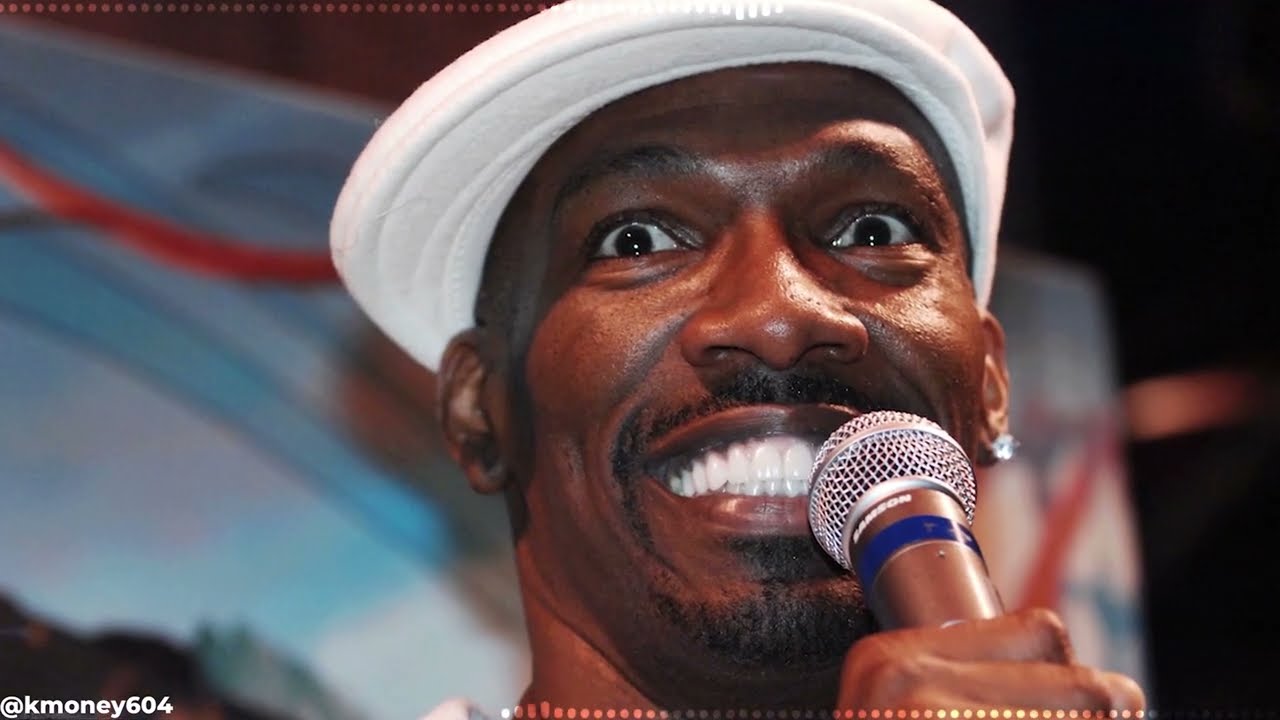
There was one man in comedy that even Dave Chappelle wouldn’t mess with – and his name was Charlie Murphy.
While Chappelle reigned as the undisputed king of sketch comedy during the peak of ‘Chappelle’s Show,’ those who worked closely with the legendary program knew there was a clear line when it came to Eddie Murphy’s older brother. And nobody – not even Dave – dared to cross it.
‘Charlie was an OG,’ Chappelle once reflected. ‘Like Charlie’s been around the block. He’s, you know, his brother is Eddie Murphy. He’s seen the epicenter of the fame that we all wanted to acquire.’
The respect between the two comedians ran deep, but it was also tinged with something else – a recognition that Charlie Murphy operated on an entirely different level from everyone else in the room.
‘There’s nobody like Charlie,’ Chappelle said after Murphy’s passing in 2017. ‘Nobody was funnier than that. And some of my biggest laughs in my life are Charlie. I miss my brother.’
Charlie Murphy wasn’t just Eddie’s older brother, though that connection certainly opened doors. He carved out his own legacy through a unique brand of storytelling that transformed real-life experiences into comedy gold. His ‘True Hollywood Stories’ sketches on Chappelle’s Show became instant classics – the Rick James saga, the Prince story, the tales of excess and chaos that left audiences gasping for air.
But what made Charlie different wasn’t just his material. It was how he delivered it. He spoke his truth without sugarcoating, laid everything bare, and never cared about playing industry games.
When asked about watching his younger brother become a mega-star while he worked as Eddie’s bodyguard, Charlie didn’t flinch at the question.
‘It was not bittersweet,’ he said firmly. ‘I can’t tell you how proud I am about my brother. There’s nothing bitter about it.’
Pressed further about whether there must have been some complicated feelings, Charlie explained his reality.
‘Before my generation, I can’t look back and go, “Yeah, my uncle went to Harvard.” No, we was regular American black people, you know, struggling. Your brother is probably the greatest stand-up I’ve ever seen.’
Eddie Murphy made Charlie his bodyguard after Charlie left the Navy, where he’d worked in a boiler room. It wasn’t a job Charlie asked for – it was offered.
‘I never went to my brother and asked him for anything,’ Charlie stated. ‘Nothing. My brother put me on salary. He gave me a job. I didn’t ask him.’
The dynamic shaped Charlie’s worldview. He saw fame from the inside, watched what it did to people, and developed an immunity to Hollywood’s seductions.
This is why Dave Chappelle never crossed him.
Chappelle understood that Charlie wasn’t just another comedian looking for screen time. He was someone who’d seen it all before it even happened to Dave. Charlie had watched his brother navigate superstardom, dealt with the hangers-on and the schemers, and emerged with zero tolerance for industry nonsense.
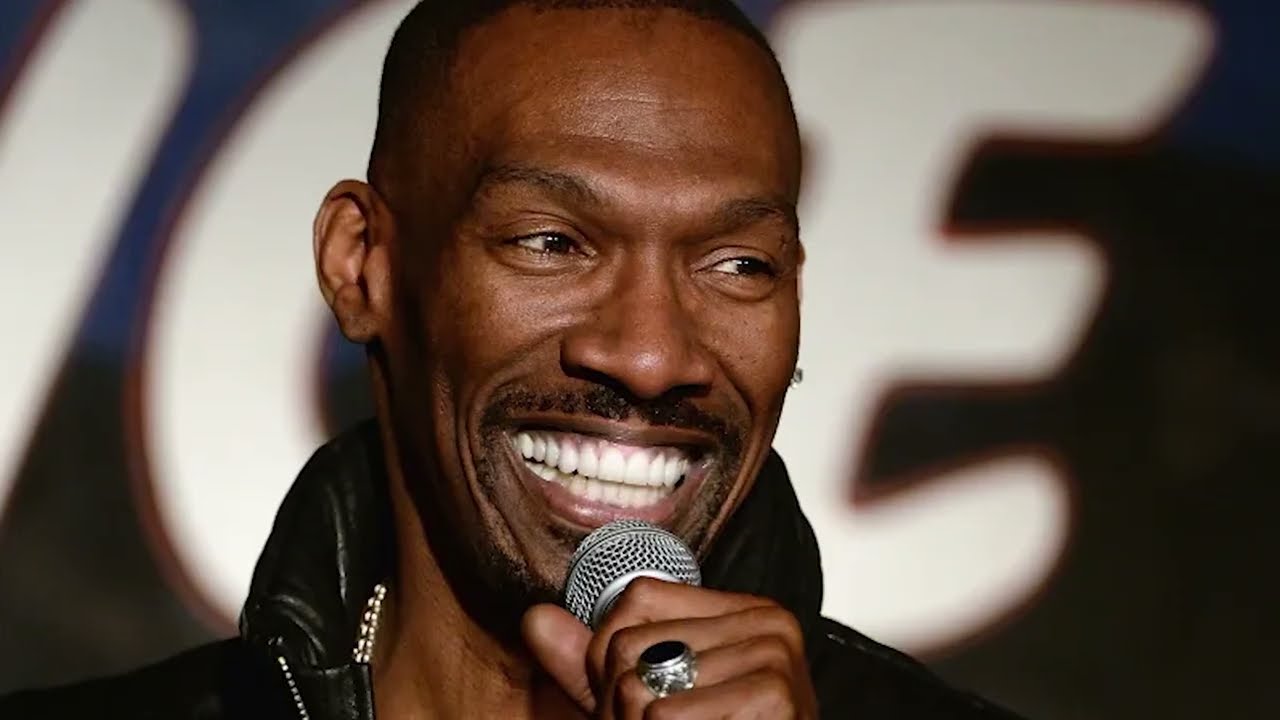
In interviews, Charlie revealed that some higher-ups on Chappelle’s Show actually wanted less of him in the lineup. Producers didn’t know how to handle his style and personality. But Chappelle fought to keep more Charlie on the show because he recognized something authentic – something that wasn’t polished by Hollywood but earned through real-life experience.
Charlie also wasn’t someone who adjusted his voice to please executives or PR departments. His stand-up special was titled ‘I Will Not Apologize,’ and he meant it. He made clear he wasn’t going to soften his delivery or sanitize his stories just to make the industry comfortable.
During a conversation about an incident where Charlie allegedly grabbed a Tech-9 off a dresser to handle a situation, the interviewer asked about the details. Charlie shut it down immediately.
‘I remember the details of that story, man,’ he said. ‘I don’t really want to go into that because the person who was involved, me and that person had resolved our issues. For me to come on television and bring it back up and make a joke about it – it wasn’t a joke when it happened. It was a very serious situation.’
He added simply: ‘I wasn’t the one that was scared in the street.’
That was Charlie Murphy. No need for bravado. No need for posturing. Just quiet confidence born from having actually lived through things most comedians only joke about.
Chappelle once shared a story that perfectly encapsulated Charlie’s worldview.
‘I used to ask him about all the old Hollywood [expletive] I was curious about,’ Chappelle recalled. ‘Like when they used to accuse Michael Jackson. I asked him once, I go, “Charlie, do you think Michael Jackson actually did those things?” And he said, “Let me ask you a question, Dave.” He said, “Say it is illegal to [expletive] women. How long are you staying out of jail?”‘
The implication was clear – Charlie understood human nature, understood power dynamics, and understood that the stories people tell about celebrities often reveal more about the storytellers than their subjects.
Their partnership worked because they complemented each other perfectly. Charlie brought the wild stories that made people sit up and take notice – actual experiences from someone who’d been in the room when legends were behaving badly. Dave brought the platform, the timing, and the comedic genius to transform those stories into legendary sketches.
Together, they created magic.
Behind the scenes, comedians whispered about how Charlie didn’t play games. He called out shady behavior, didn’t kiss anyone’s behind to get ahead, and stayed true to his own code. In an industry built on favors and connections, Charlie Murphy operated like someone who couldn’t be bought – because he couldn’t.
Charlie also warned younger comedians about the traps of the industry.
‘That was fuel,’ he said of the doubters. ‘I continued honing my craft, making myself better because I always had in me that it ain’t about money. I make a lot of money doing this, yes. But that’s not why I’m doing it. If I was doing it for money, I wouldn’t develop. Money is not going to inspire you to develop. You have to really love what you’re doing.’
His comedy wasn’t just about laughs. It was about truth-telling in an environment where most people were too scared or too compromised to speak honestly.
In one memorable bit, Charlie riffed on the concept of a secret society dedicated to annoying everyone else on the planet – a perfect example of his ability to take universal frustrations and turn them into hilarious observations.
‘There’s 6.5 billion people,’ he noted. ‘And hidden within the ranks of that 6.5 billion, believe it or not, is a secret society, one that spans the globe, comprised of all races and nationalities. And this group of people’s sole purpose in life, their sole mission in life is to aggravate the [expletive] out of everybody else on the planet. Yes, they’ve touched the lives of everybody in this room tonight. Y’all know who I’m talking about. It’s signs of their existence all around you.’
When Charlie passed away from leukemia in 2017 at age 57, the comedy world lost one of its most unique voices. But his impact on Chappelle’s Show and on comedy in general remains undeniable.

Dave Chappelle made that clear during a tribute to his friend and collaborator.
‘A very large part of the reason that I got to be successful,’ Chappelle said. ‘Like literally, he changed my life just by saying, “I fought Rick James many times.” We were like, “What?” He said he fought Rick James many times. He told us his story at lunch and it literally from then on it just changed our lives.’
God bless Charlie Murphy, Chappelle concluded. Wherever you are, Charlie, I love you.
Charlie Murphy wasn’t just Eddie Murphy’s brother. He wasn’t just a sketch comedy legend. He was something rarer – a man who walked through the fire of fame and emerged with his integrity intact, his voice undiluted, and his principles unshaken.
He commanded respect not by demanding it, but by embodying it. And Dave Chappelle, like everyone else who worked with him, understood that some lines simply weren’t meant to be crossed.
In an industry full of people performing confidence they don’t actually possess, Charlie Murphy was the real thing. And that’s why even the king of comedy knew better than to test him.